

Table Of Contents
For a strata or commercial property, a gutter clean needs to fit around the people using the building. Access, equipment placement, waste removal and a clear record of the work matter as much as removing the leaves.
AGCCO provides preventative gutter cleaning for commercial buildings and strata properties, with industrial vacuum equipment, before-and-after photos and a roof and gutter report. After the initial clean, we can discuss a maintenance schedule and ongoing pricing suited to your property.
Expert insight from Dylan Howell, Director of Australian Gutter Cleaning Co., with 15 years in roofing and eight years in gutter cleaning. Updated 28 October 2026.
A clear scope before the work starts
We need the full property address and details of the buildings to be serviced. For strata work, include the number of units and any known access restrictions. Coordinating several units or nearby properties can reduce the cost per property, depending on the layout and scope.
Tell us about loading areas, limited parking, locked access or other site requirements. We plan the working arrangement around the property. Our equipment allows us to work efficiently with a relatively compact setup, although some sites need additional access equipment or a larger work area.
Our vehicles carry 60 metres of hose, which gives us flexibility in positioning the vacuum equipment. For more complex sites, access requirements are assessed individually.
Cleaning the difficult sections as well as the obvious ones
Debris tends to collect in tight sections, around outlets and in places that are hard to reach. Our crevice tools help access these areas, and we air-flush accessible above-ground downpipes using our industrial vacuum equipment.
Sump cleaning can be included when requested and agreed in the scope. Underground drainage blockages require a plumber. If gutter guard is installed, the initial quote covers a top clean; we assess beneath the mesh on the day because satellite imagery cannot show the hidden build-up.
Collected waste is taken away. Where there is extensive vegetation or bulky debris, we plan for its removal as part of the job.
Wingfield: removing years of heavy growth
At a commercial building in Wingfield, vegetation had grown from the gutters towards the roof. Dylan recalls growth reaching about two metres and a long history of overflowing water reported at the property.
We brought a truck-mounted industrial vacuum and removed the heavy growth and accumulated debris, taking the bulk waste away in the truck. Dylan reports that clearing the obstruction resolved the overflow experienced at that site.
The lesson was practical: a heavily overgrown gutter needs a plan for removing both the material inside it and the bulky growth above it. Once that initial work is completed, a suitable maintenance schedule can help avoid returning to the same condition.
Port Pirie: planning for access
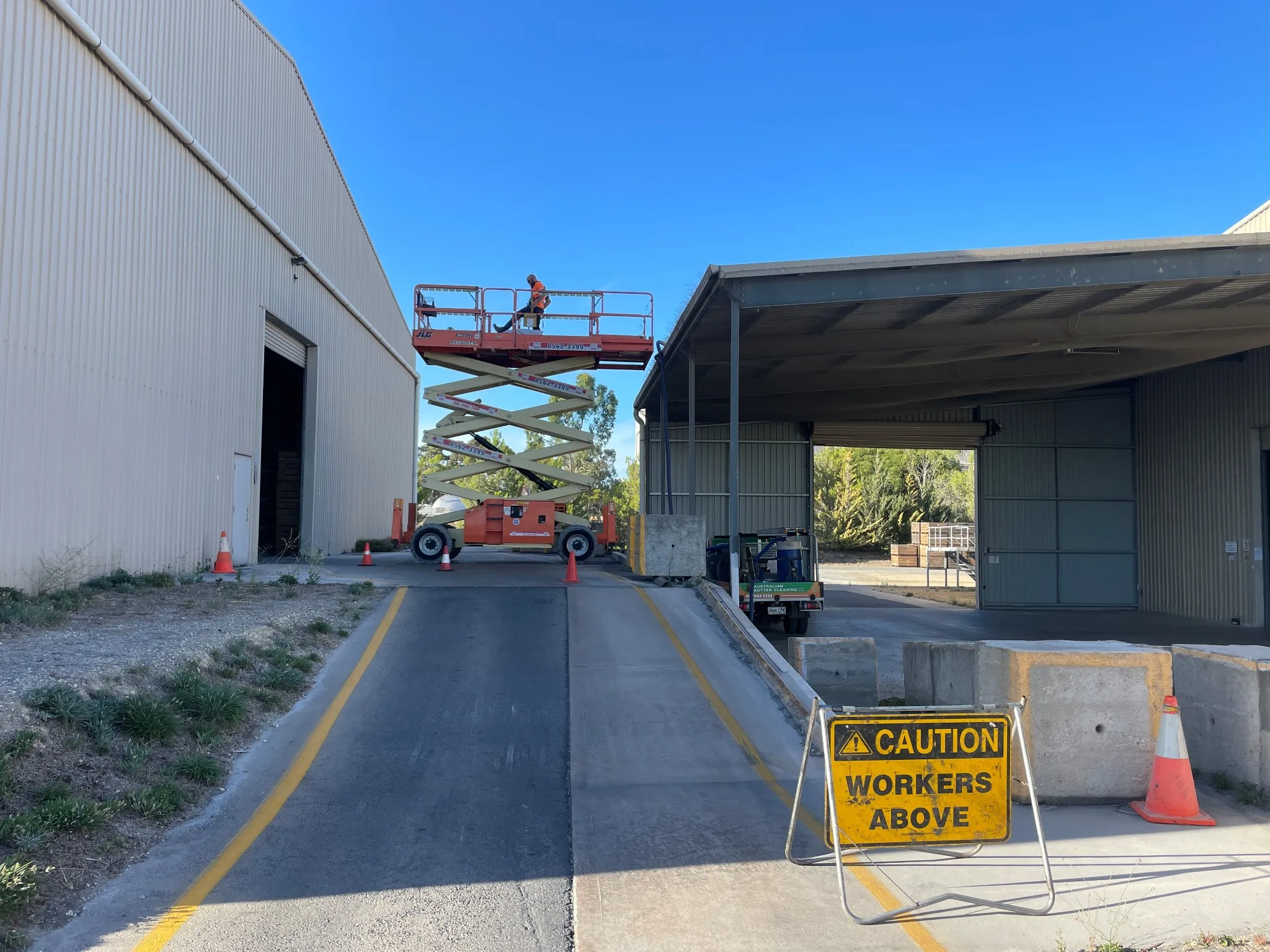
On a Port Pirie job, access required an elevated work platform and sectioning off part of the road. It was a different setup from a routine residential visit, and the access arrangements were central to completing the work.
This does not mean every difficult property can be approached in the same way. It means the equipment, work area and access need to be assessed before the job is accepted and scheduled.
Reporting that makes the next step clear
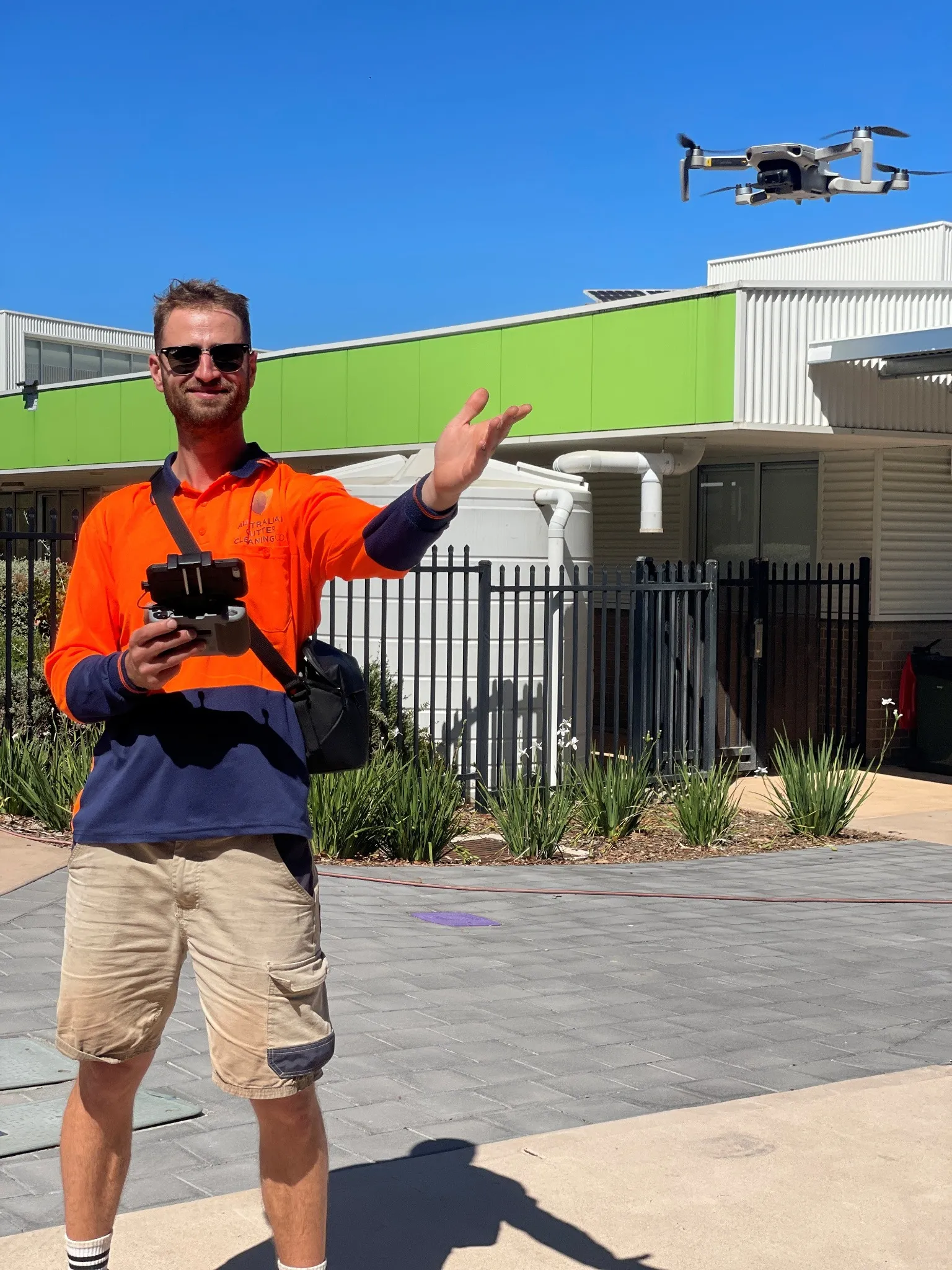
We document the work with before-and-after photos and a roof and gutter report. Visible concerns are brought to your attention, with an explanation of what may need further assessment.
For a manager looking after multiple buildings, that record helps distinguish a completed clean from a separate maintenance issue. Cleaning removes debris; it does not repair failed gutter joints, incorrect fall or damaged roofing.
AGCCO does not undertake roof or gutter repairs, and we do not clean asbestos roofs or gutters affected by asbestos roof contamination.
Move from a major clean to planned maintenance
The first visit is often the most intensive. After it, we can recommend an ongoing maintenance interval and discuss pricing for your property. The schedule should reflect what is found on the property, including vegetation, bird activity and recurring obstruction points.
Preventative maintenance helps reduce blockage risk and makes changes easier to spot. It cannot guarantee a building will never have a roof or drainage problem.
Request a commercial or strata quote with the full property address, buildings or units included and any known access requirements.